
Explore by Topic
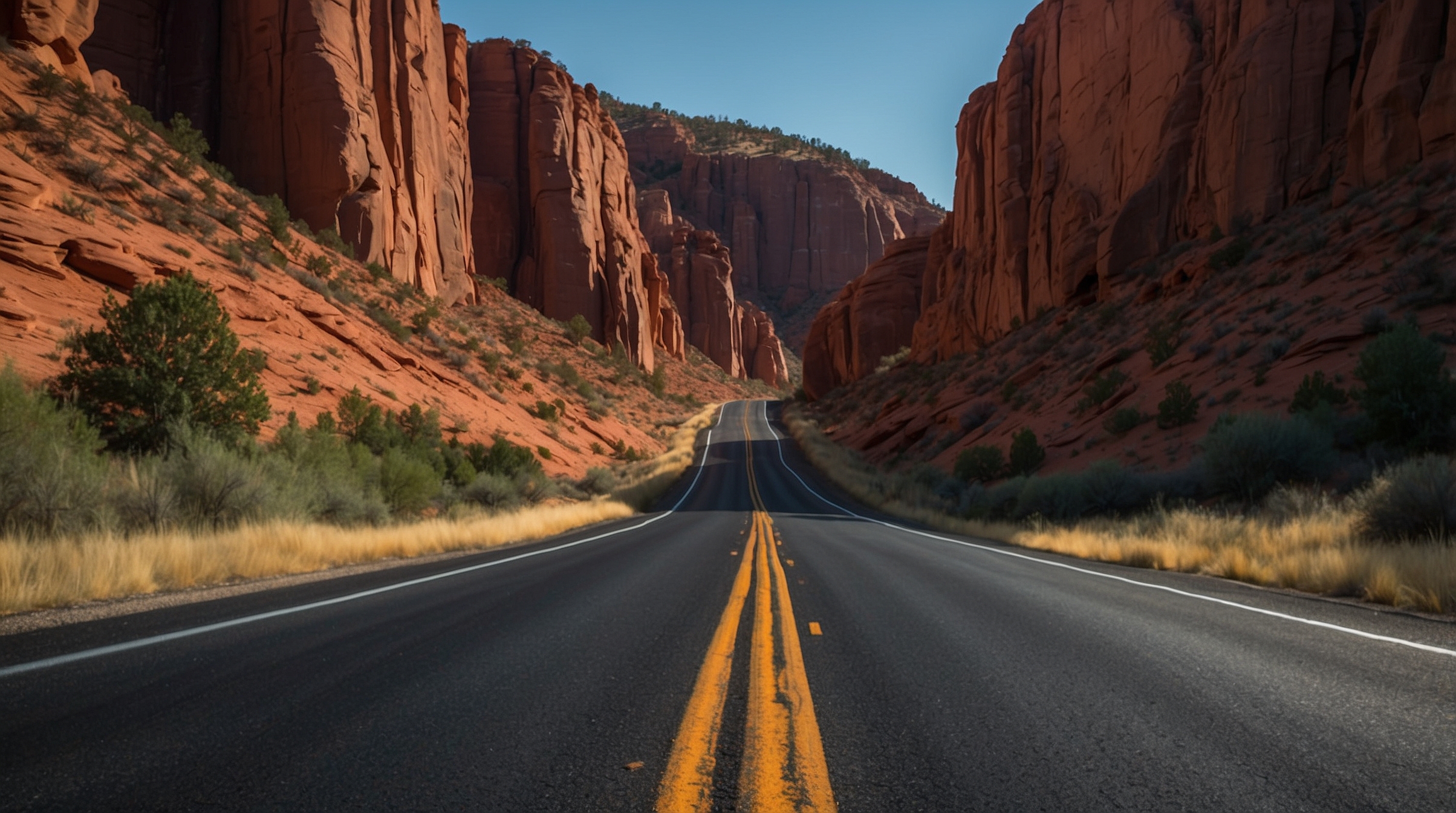
Best Budget Road Trips in the USA
Best Budget Road Trips in the USA is one of the standout travel experiences available in the United States. The combination of spectacular natural settings, exc
Read Guide →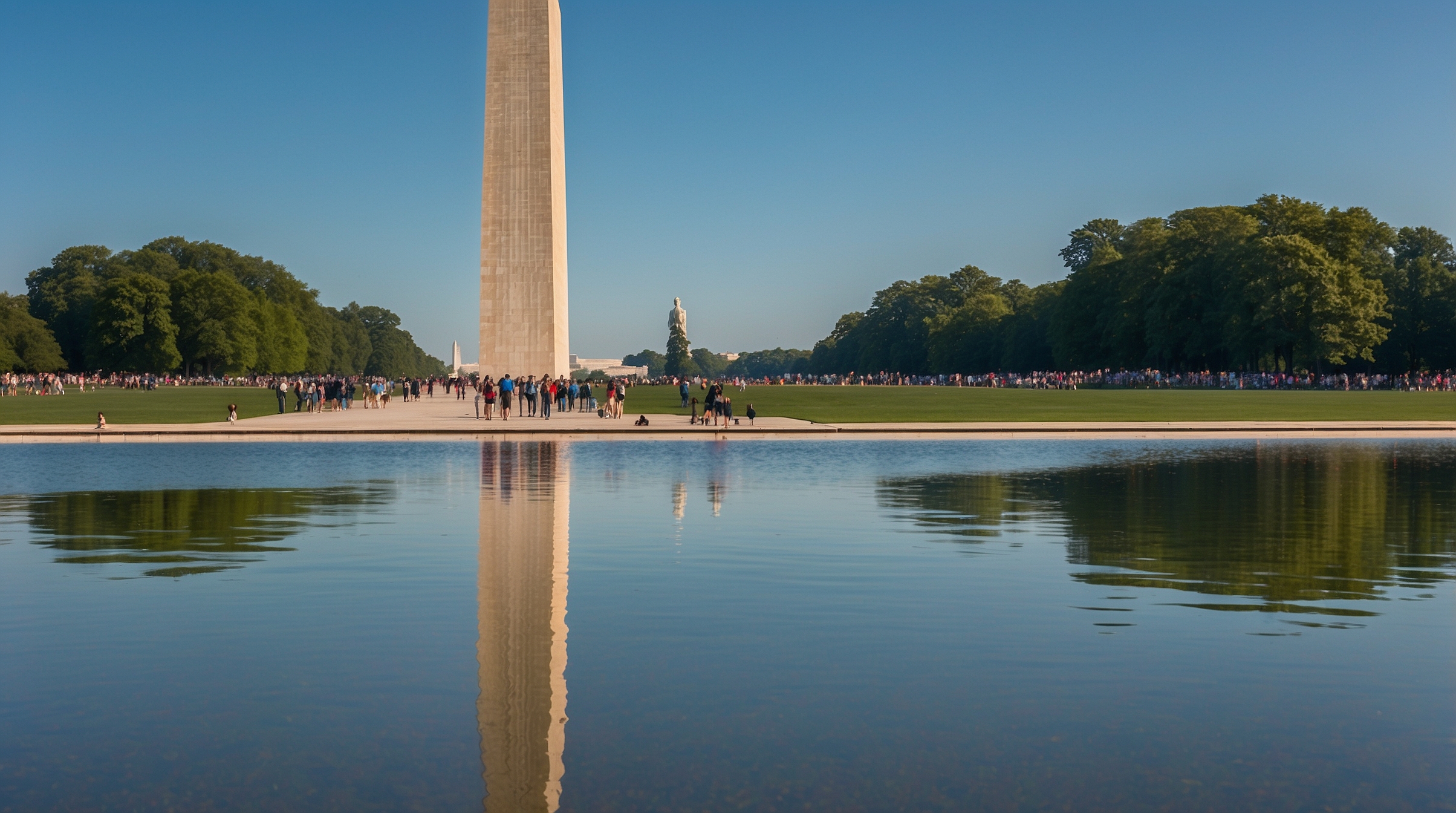
Best Free Things to Do in the USA
Some of the greatest travel experiences in America cost absolutely nothing. The country's public lands system — national parks, forests, BLM land, state parks —
Read Guide →Top Budget Travel: How to Explore America for Less Destinations

Austin: Best Things to Do & See
Texas
💰 Budget Travel: How to Explore America for Less
Nashville: Best Things to Do & See
Tennessee
💰 Budget Travel: How to Explore America for Less
New Orleans: Best Things to Do & See
Louisiana
💰 Budget Travel: How to Explore America for Less
Portland Oregon: Best Things to Do & See
Oregon
💰 Budget Travel: How to Explore America for Less🎟️ Top-Rated Tours in United States
Powered by Viator · Free cancellation · Skip-the-line


Free & Low-Cost Attractions Across America
The United States has an exceptional collection of free attractions that many travelers overlook. Washington DC's 19 Smithsonian museums and galleries cover everything from aerospace to American history, natural history, and contemporary art — all completely free, all world-class. The National Mall itself, stretching from the Lincoln Memorial to the Capitol Building, is one of the most powerful landscapes in America to walk and costs nothing. Most national forest trails, Bureau of Land Management lands, and state parks charge minimal fees or nothing at all. City parks, beaches, historic downtowns, public markets, and street art districts in every major American city offer hours of free exploration.
Budget Accommodation Strategies
Camping is the single most effective way to reduce American travel costs. National forest campgrounds and Bureau of Land Management sites often cost $5–$20 per night — or nothing at all for dispersed camping in designated areas. The free camping app iOverlander and websites like Freecampsites.net help locate legal free sites. In cities, hostels offer clean dormitory beds from $30–$50 per night — a category that has improved dramatically in quality over the past decade. Budget motel chains cluster along interstate exits and typically run $60–$90 per night for a clean private room. Booking platforms like HotelTonight fill last-minute unsold rooms at steep discounts.
Eating Well on a Travel Budget
Food is where American travel budgets most easily spiral. Grocery stores and convenience stores can replace at least one restaurant meal per day — a quality deli sandwich and fruit from a grocery store costs $8–$12 compared to $20–$35 at a sit-down restaurant. Food trucks and food hall vendors typically offer excellent food at lower prices than sit-down restaurants with full table service. Happy hour deals at bars (usually 4–7 PM) provide access to restaurant-quality food at significantly reduced prices. At full-service restaurants, lunch menus frequently offer the same dishes as dinner at 20–40% lower prices.
Budget Road Trips
A road trip is one of the most cost-effective ways to see America — you carry your accommodation (camping gear or a car that reclines), control your food entirely, and access attractions that would cost far more to reach by air. The key budget decisions are vehicle choice (a fuel-efficient car vs. a gas-hungry SUV makes a meaningful difference over 2,000 miles) and accommodation strategy. Mixing free camping nights with occasional budget motel nights when showers and laundry are needed is the standard budget road trip formula. The America the Beautiful Annual Pass pays for itself after two national park visits and is essential for any budget road trip that passes through federal lands.
Best Value Destinations in America
Some American destinations simply offer more experience per dollar. New Orleans has some of the best free entertainment in the country — the French Quarter's live music spills onto the street at no charge, Mardi Gras parades are free to attend, and the food culture rewards eating at neighborhood joints rather than tourist-facing restaurants. The Great Smoky Mountains has no entrance fee and offers outstanding hiking, wildlife viewing, and mountain scenery at zero cost. The Blue Ridge Parkway is free to drive and offers 469 miles of spectacular mountain scenery with camping available at numerous points. Sedona in Arizona charges no entrance fee and has extraordinary red rock scenery accessible on free hiking trails.
Travel Planning Tips to Save Money
Flexibility is the budget traveler's greatest asset. Traveling Tuesday through Thursday is consistently cheaper for hotels, flights, and even some attractions. Shoulder seasons (April–May and September–October) offer better weather than summer in many destinations with meaningfully lower prices and fewer crowds. Booking accommodations 4–6 weeks ahead for road trips and 2–3 months ahead for city hotels in peak season hits the sweet spot between good availability and best prices. Travel credit cards with no foreign transaction fees and sign-up bonuses can fund flights or accommodation. Packing food for travel days eliminates airport and highway food service markups entirely.
Frequently Asked Questions
How much does it cost to travel the USA on a budget per day?
A genuine budget traveler using camping, cooking their own food, and visiting free attractions can manage $50–$70 per day. A comfortable budget that includes budget motels, some restaurant meals, and paid attractions typically runs $80–$120 per day per person. Cities like New York and San Francisco push these numbers higher; destinations like national parks and smaller cities allow lower daily spending.
What are the best free attractions in the United States?
Washington DC's Smithsonian museums (19 in total) are the greatest collection of free cultural institutions in the world. Most national park visitor centers and ranger programs are free with park admission. Many major cities have free museum days — the Metropolitan Museum in NYC has suggested (not required) admission. The Great Smoky Mountains National Park has no entrance fee at all. Most state and county parks charge minimal day-use fees or none at all.
What are the most affordable states to visit in the USA?
The Southeast (Tennessee, Georgia, Mississippi, Arkansas) and the Midwest (Kansas, Nebraska, Missouri) tend to offer the most affordable travel experiences — lower accommodation costs, cheaper food, and free or low-cost outdoor attractions. New Mexico has excellent combination of value and spectacular natural and cultural attractions. The Mountain West states outside ski resort towns offer great value with spectacular scenery.
How do I find cheap accommodation in America?
Camping in national forests and BLM land is often free or costs $5–$20 per night. Hostels in major cities offer dormitory beds from $30–$50 per night. Budget hotel chains like Motel 6, Super 8, and La Quinta offer reliable rooms at $60–$90 in most areas. Vacation rentals split among a group become very cost-effective. Booking Tuesday through Thursday nights typically saves 15–25% over weekend rates.