
Miami is a city that lives outdoors. Blessed with year-round warmth, stunning beaches, and a Latin cultural energy unlike anywhere else in the United States, the Magic City draws visitors who come for a weekend and end up extending their stay. From the pastel Art Deco facades of South Beach to the electric murals of Wynwood and the aromatic Cuban coffee shops of Little Havana, Miami rewards exploration in every direction.
South Beach & Art Deco Historic District
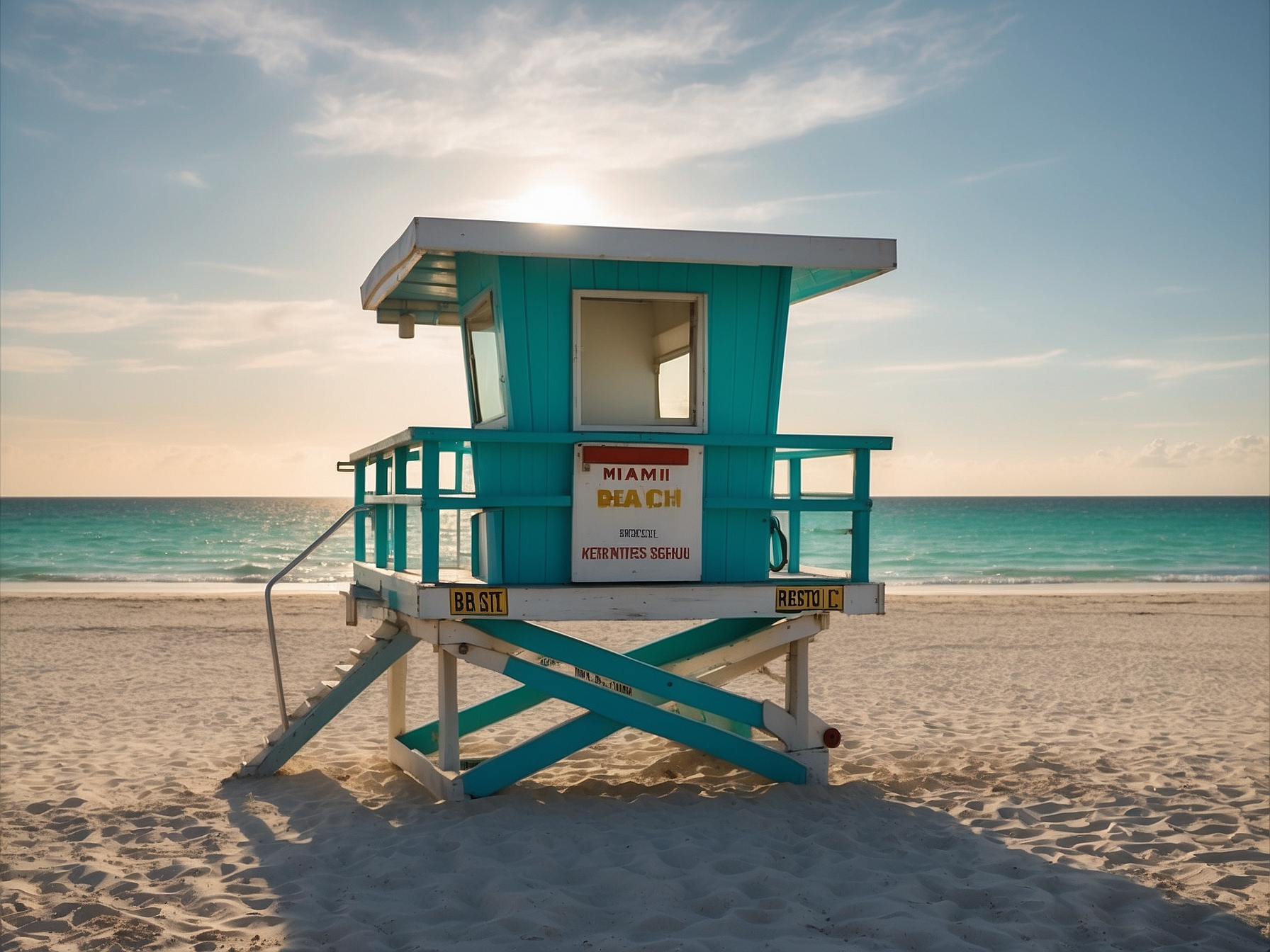
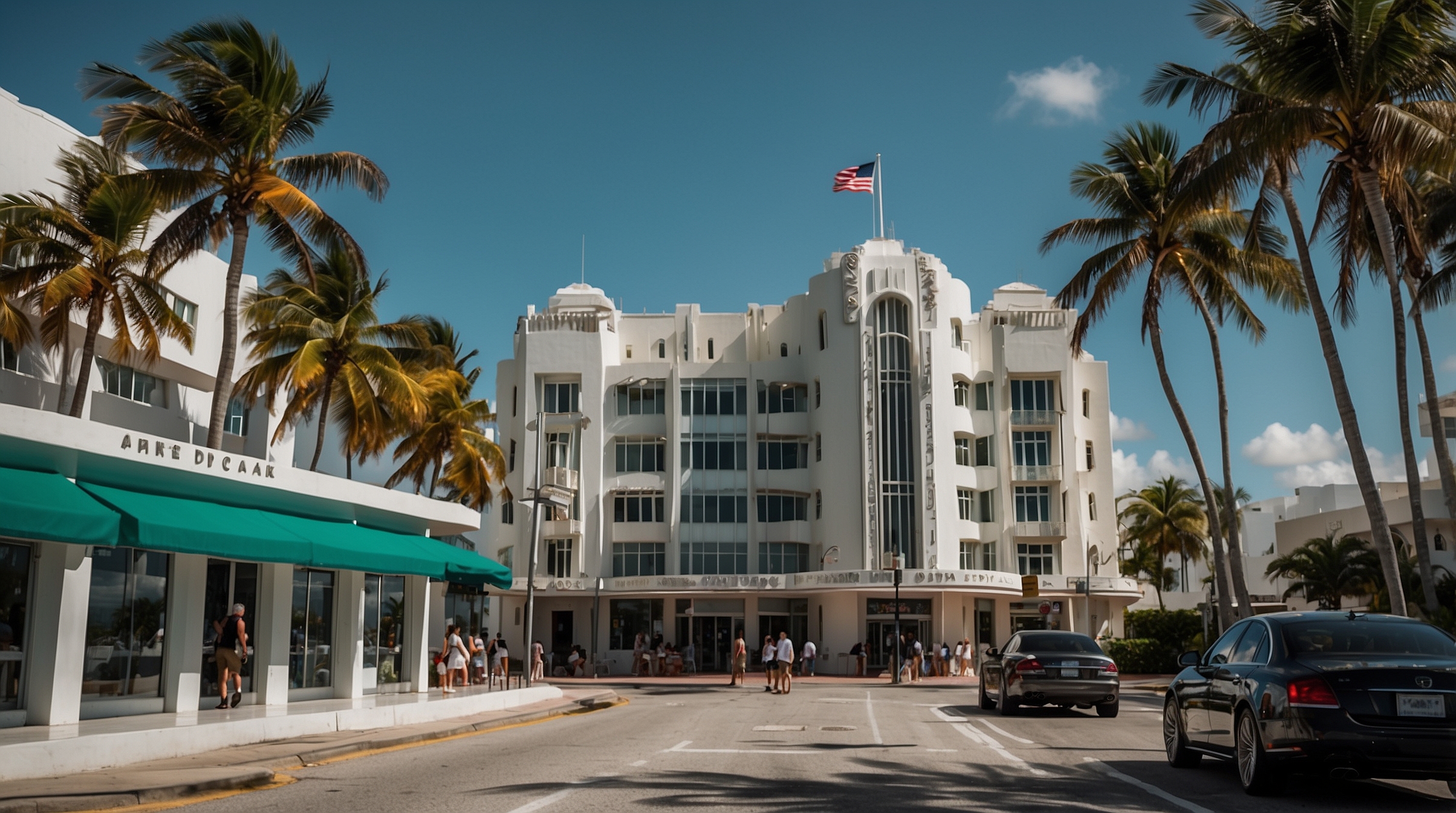
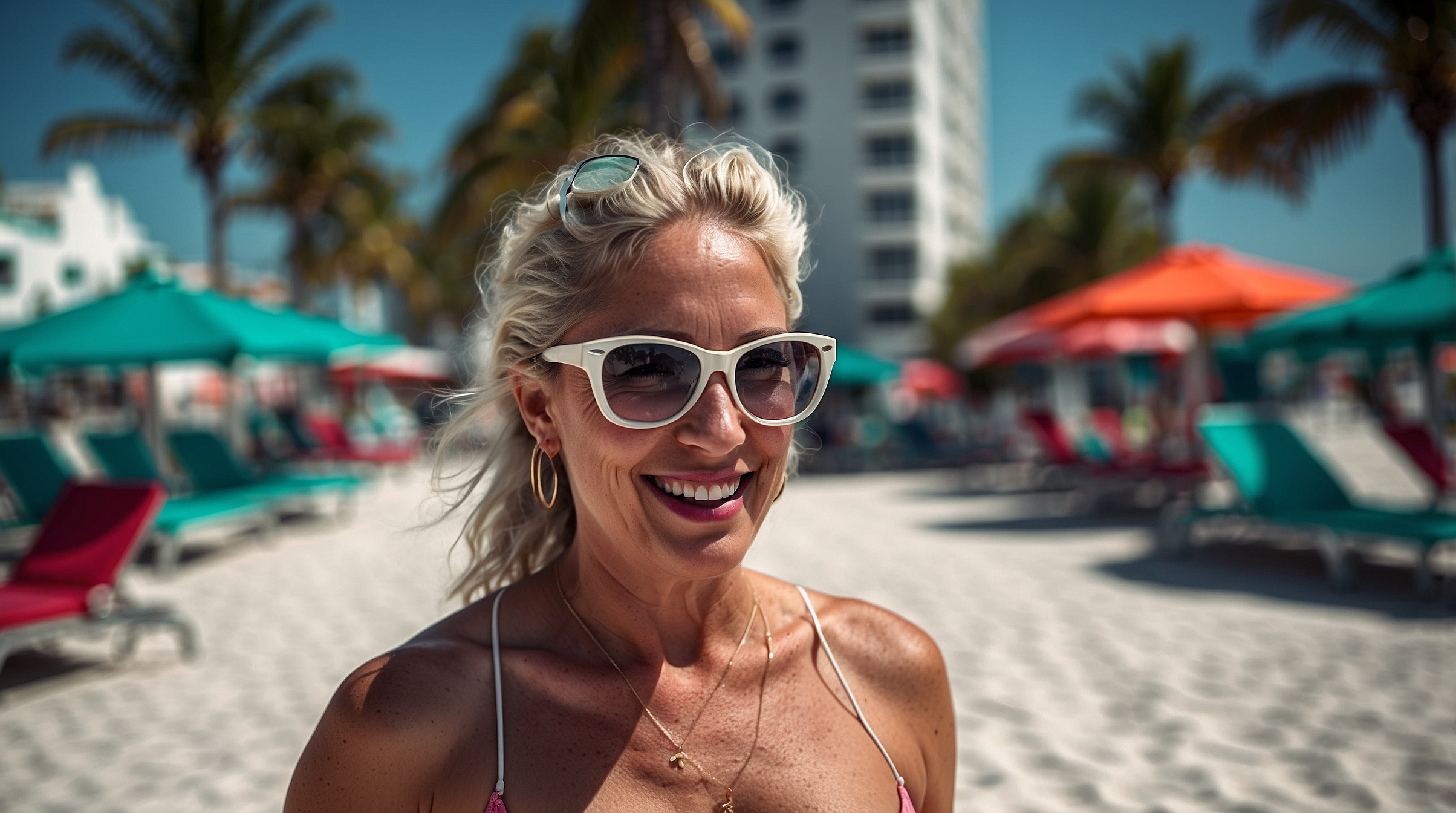
South Beach sits on a narrow barrier island connected to mainland Miami by causeways. The Art Deco Historic District along Ocean Drive and Collins Avenue contains over 800 preserved Art Deco buildings from the 1930s and 40s — the largest concentration in the world. Walking these blocks at golden hour, when the pastel facades glow in the warm light, is genuinely beautiful. The beach itself stretches for miles with free public access, warm Atlantic water, and enough space that it never feels truly overcrowded outside of spring break.
Wynwood Arts District
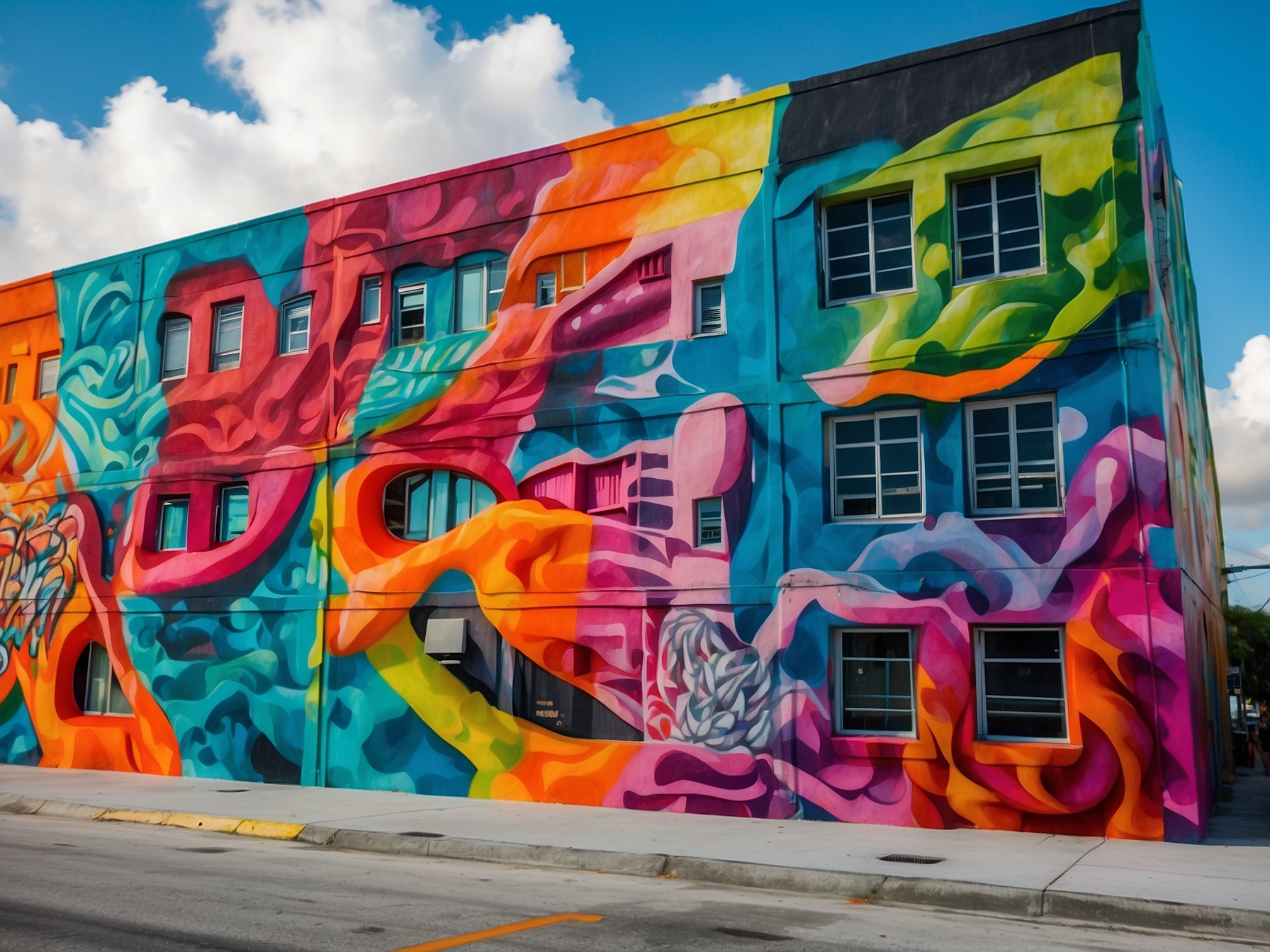
Wynwood transformed from a derelict warehouse neighborhood into Miami's most creative district in less than a decade. The Wynwood Walls — a curated outdoor gallery of massive murals by internationally renowned street artists — started the transformation and remain the anchor attraction. Today the surrounding blocks are packed with galleries, independent boutiques, farm-to-table restaurants, and craft breweries. Saturday nights in Wynwood have an electric street festival energy. The neighborhood is best explored on foot.
Little Havana & Cuban Culture
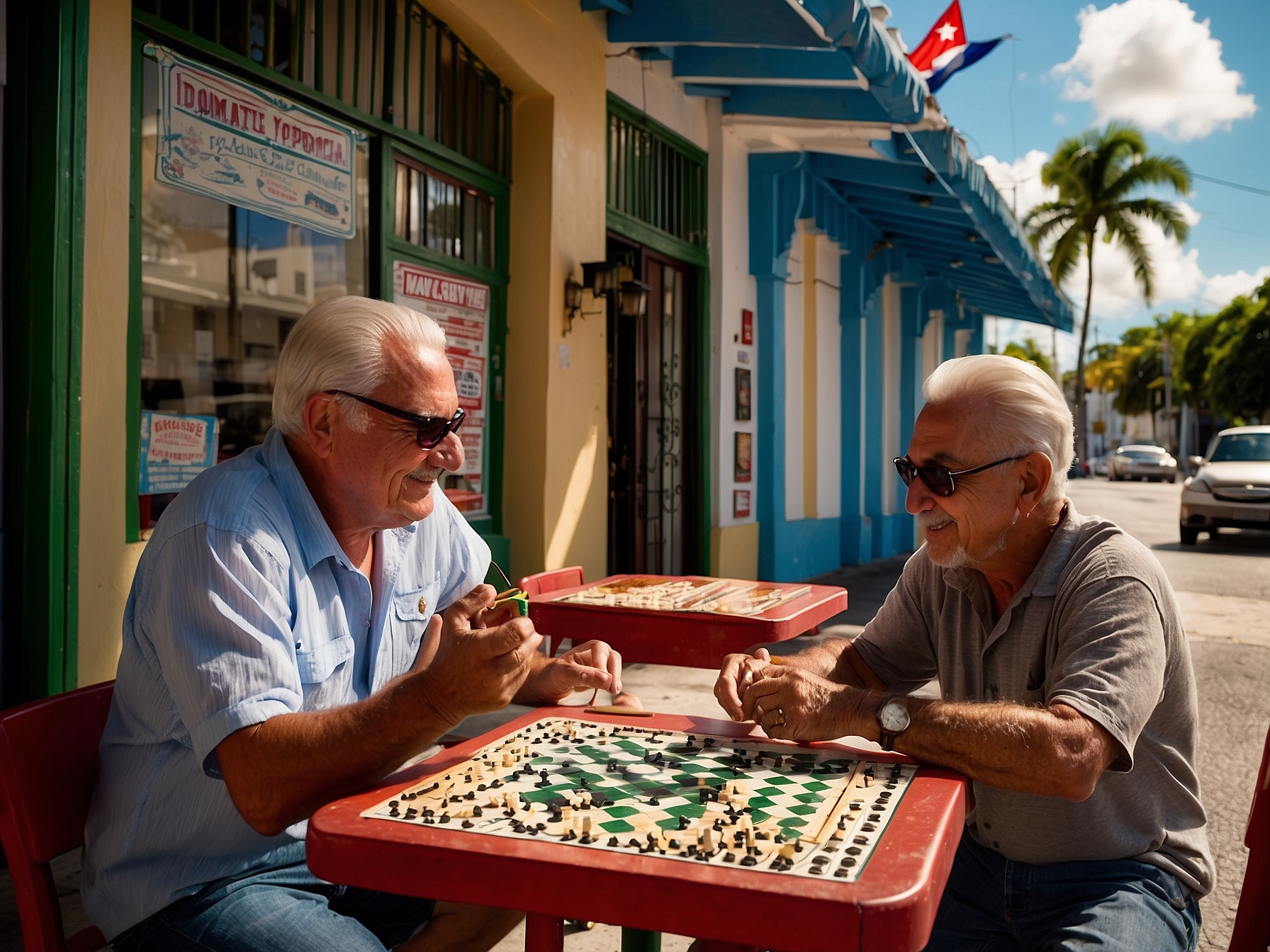
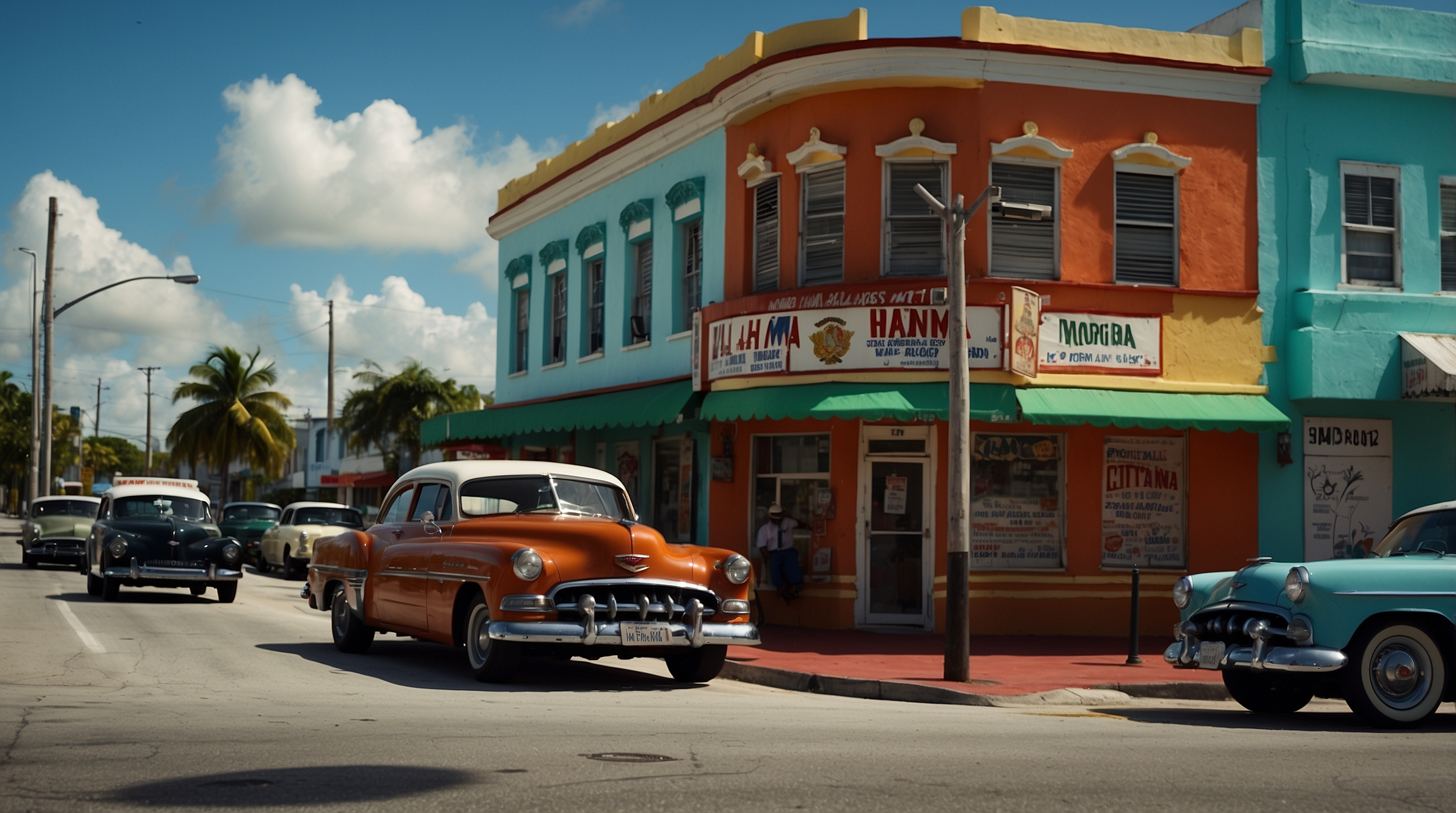
Little Havana sits just west of downtown and is one of the most authentically cultural neighborhoods in Miami. Calle Ocho (SW 8th Street) is the main artery — lined with Cuban cafes serving cortadito (sweet Cuban espresso), cigar rollers working in open-air shops, and restaurants serving ropa vieja and lechón. Domino Park at Maximo Gomez Park is where older Cuban men gather to play dominoes daily — watching a game here is a genuine slice of living culture. The Calle Ocho Music Festival in March is one of the largest street festivals in the US.
Miami's Food Scene
Miami's food scene reflects its multicultural DNA. Cuban sandwiches — pressed, golden, layered with ham, roasted pork, Swiss cheese, pickles, and mustard — are done best at local spots like Versailles Restaurant on Calle Ocho. Peruvian ceviche, Haitian griot, Venezuelan arepas, and Brazilian churrasco all have excellent local representatives. The Design District and Brickell have elevated the fine dining scene considerably, with restaurants from major chefs. For late-night eating after the clubs, the 24-hour diners along Collins Avenue in South Beach are an institution.
Everglades & Day Trips
The Florida Everglades sit at Miami's back door — just 45 minutes west on US-41 (the Tamiami Trail). Airboat tours through the sawgrass prairies are loud, fast, and unforgettable — you'll see alligators at surprisingly close range. The main visitor center at Everglades National Park is 1.5 hours southwest. The Florida Keys and Key West are a stunning drive south on US-1 over 42 bridges — Key West itself is worth an overnight stay. Fort Lauderdale's 23-mile canal system and beach strip are a easy half-day north.
Best Time to Visit & Getting Around
Winter and spring (December through April) are Miami's best months — warm, dry, and lively without the brutal summer humidity. Hotel rates peak in January through March. Summer is hot, very humid, and prone to daily afternoon thunderstorms but hotel prices drop significantly. Miami has a Metrorail and Metromover system that covers downtown and some neighborhoods, but most visitors use rideshares or rent a car. South Beach and Wynwood are very walkable. Parking in South Beach is notoriously expensive and scarce.
Top Things to Do in Miami: Best Things to Do & See

🎟️ Top-Rated Tours in Miami: Best Things to Do & See
Powered by Viator · Free cancellation · Skip-the-line


Where to Stay in Miami: Best Things to Do & See
Plan Your Miami: Best Things to Do & See Trip
Frequently Asked Questions
What is the best time to visit Miami?
December through April is Miami's peak season — warm, sunny, and dry. The weather is near-perfect with temperatures in the low 80s°F. Summer brings intense heat, humidity, and afternoon thunderstorms. Hurricane season runs June through November, with peak risk in August and September.
Is South Beach worth visiting in Miami?
Absolutely. South Beach is iconic for good reason — the Art Deco architecture along Ocean Drive, the wide sandy beach, and the energy of the area are genuinely impressive. The neighborhood can be expensive and crowded, but walking Ocean Drive at night is a quintessential Miami experience.
What are the best day trips from Miami?
The Florida Everglades are 45 minutes west — take an airboat tour for a wildlife-packed experience. Key West is a beautiful 3.5-hour drive south along the Overseas Highway. Fort Lauderdale is 30 minutes north with excellent beaches and a walkable beach strip.
What neighborhoods should I explore in Miami?
South Beach for Art Deco and beach life. Wynwood for street art, galleries, and the famous Wynwood Walls. Little Havana for authentic Cuban culture, food, and coffee. Coconut Grove for a lush, laid-back neighborhood feel. Brickell for sleek modern Miami and skyline views.