
Chicago earns its reputation as one of America's greatest cities. Set on the southwestern shore of Lake Michigan, it combines a world-class architectural skyline, an exceptional food scene, serious cultural institutions, and neighborhoods that each feel like their own distinct city. Don't let the Windy City nickname fool you — from late spring through early fall, Chicago is one of the most enjoyable urban destinations in the country.
The Chicago Architecture Scene
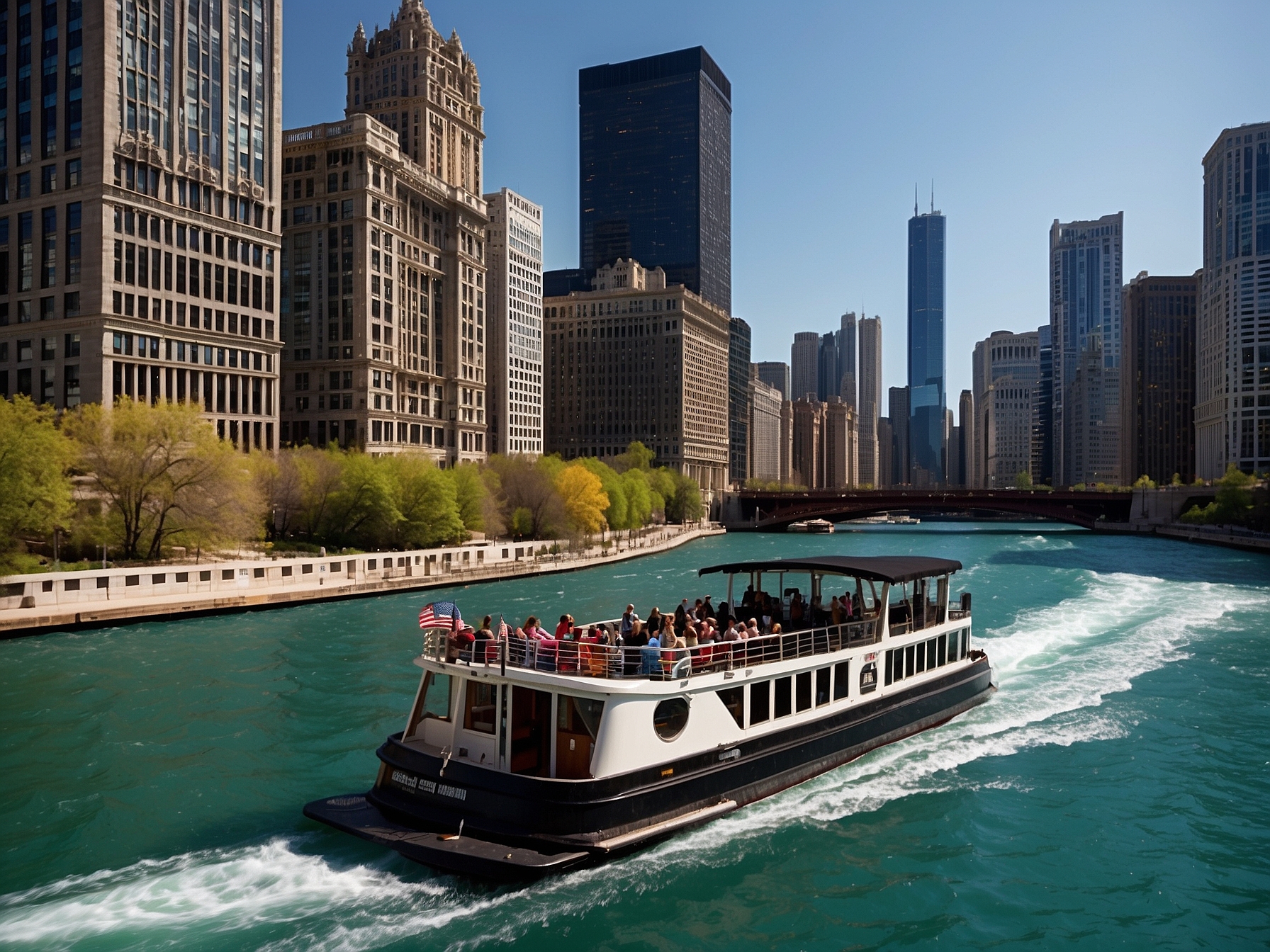
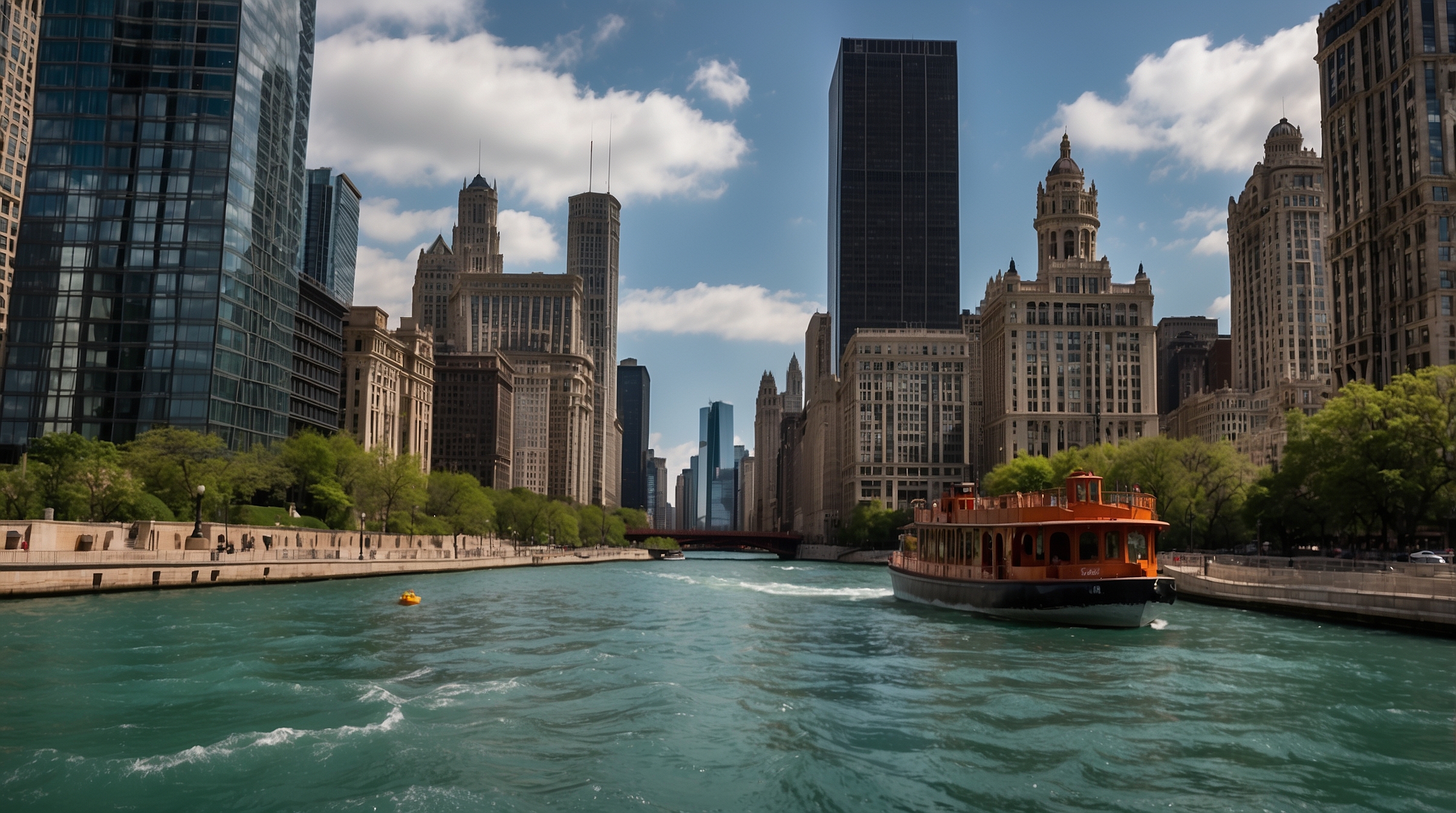
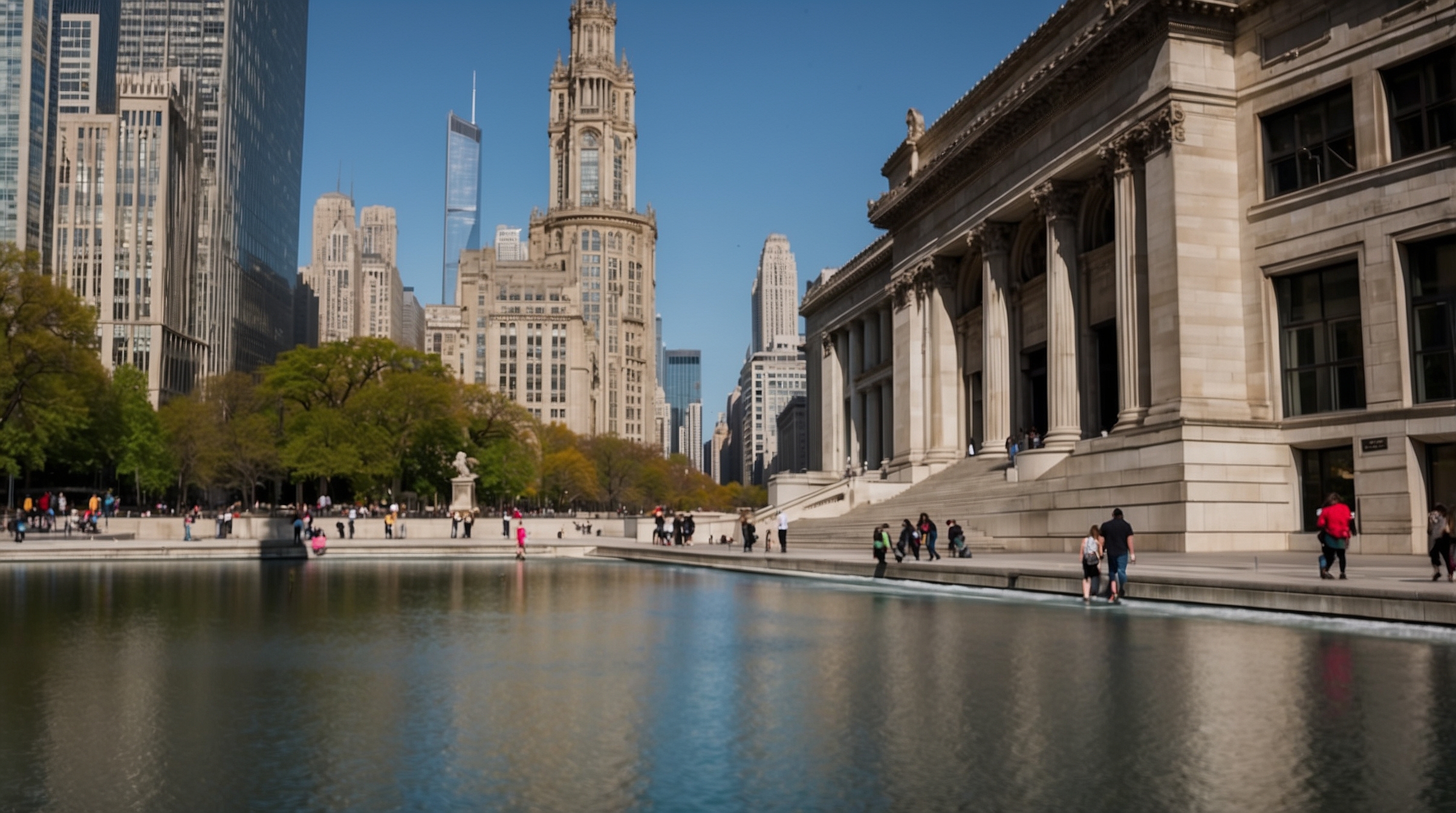
Chicago is the birthplace of the modern skyscraper and remains the world's greatest outdoor architecture museum. The Chicago Architecture Center offers the definitive river boat tour — 90 minutes floating through downtown with expert guides explaining the history and design of over 50 buildings. The tour sells out weeks in advance in summer; book ahead. On foot, the Loop district is a self-guided architecture tour in itself. The Chicago Cultural Center (free admission) has two stunning Tiffany glass domes that most visitors walk past without entering.
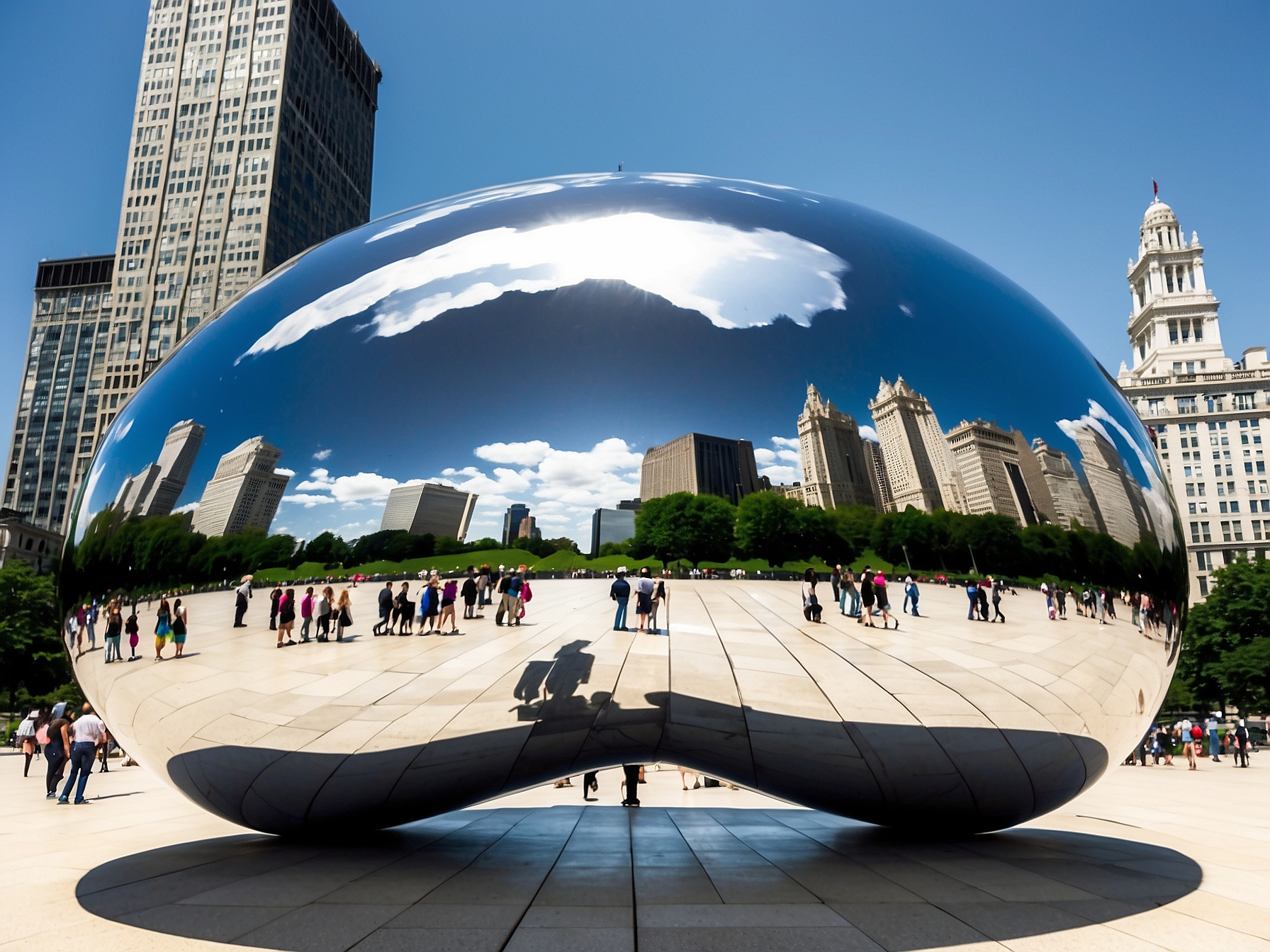
Millennium Park & the Lakefront
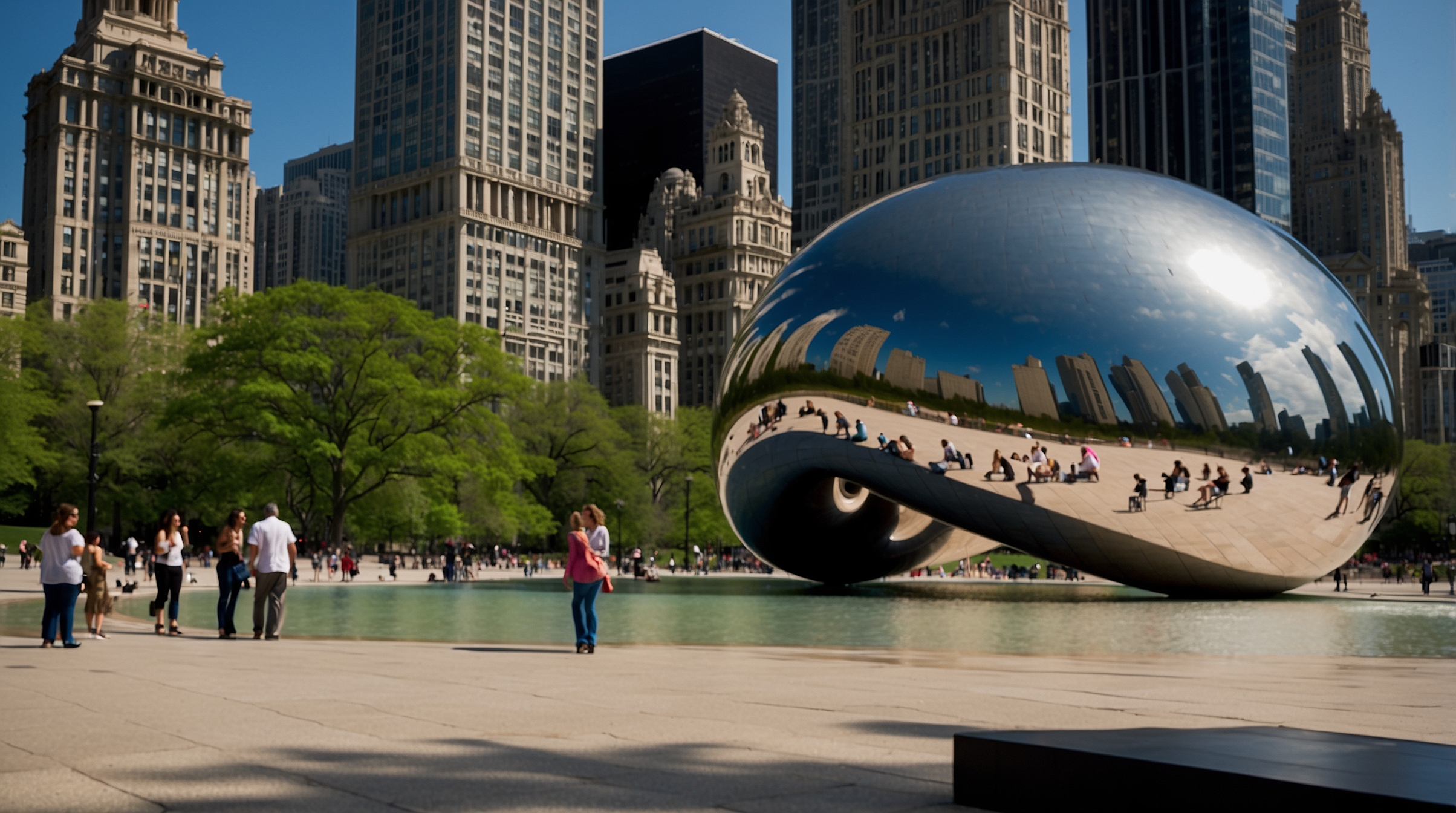
Millennium Park anchors the lakefront in the heart of downtown and is completely free to visit. Cloud Gate — universally known as The Bean — is a 110-ton polished steel sculpture that reflects a warped panorama of the skyline and visitors who cluster around it. The Jay Pritzker Pavilion hosts free summer concerts on the Great Lawn. The lakefront trail stretches 18 miles north to south through a continuous chain of parks and beaches — renting a bike and riding a section of it is one of the best free things to do in Chicago.
Chicago's Food Culture
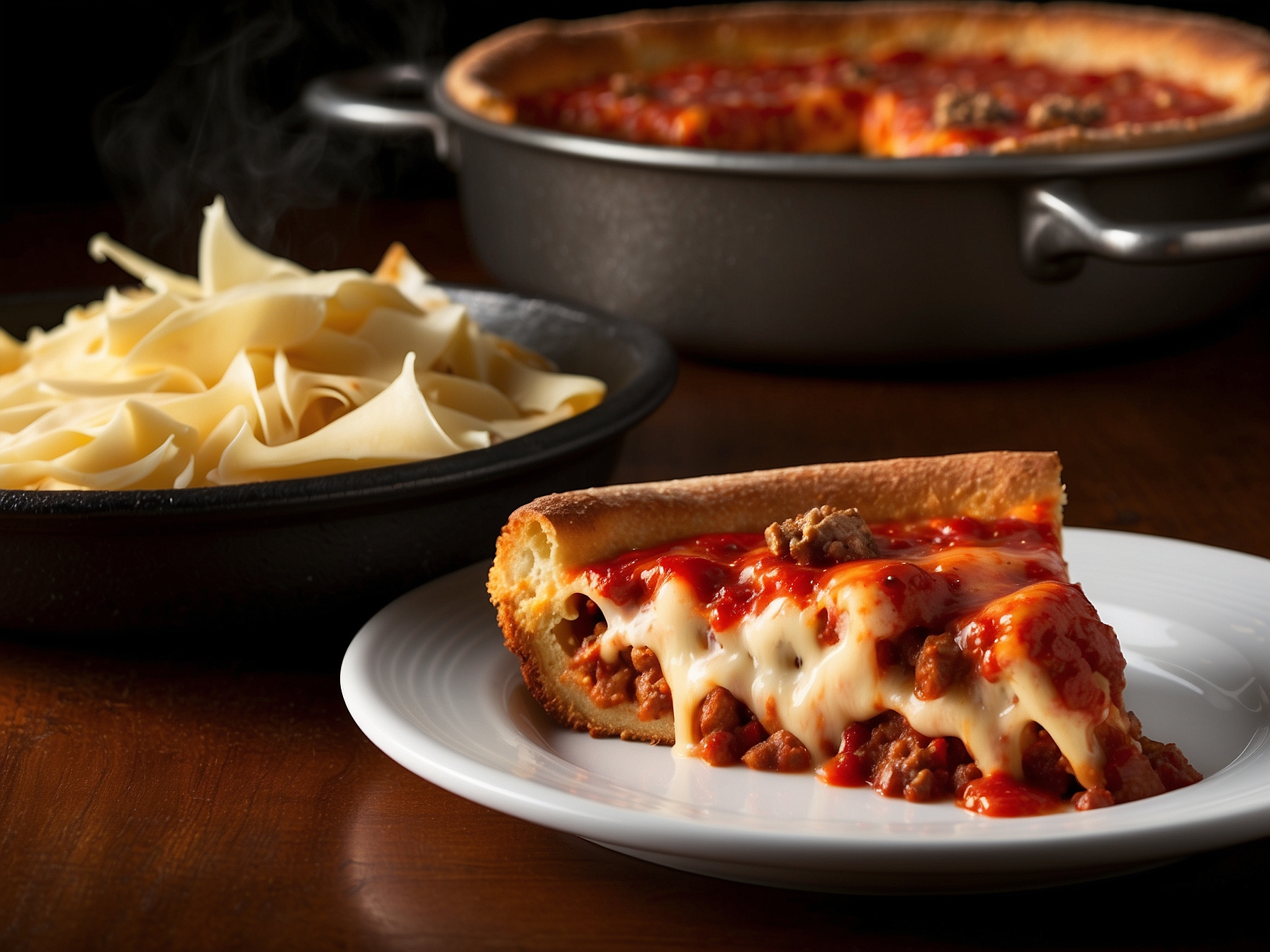
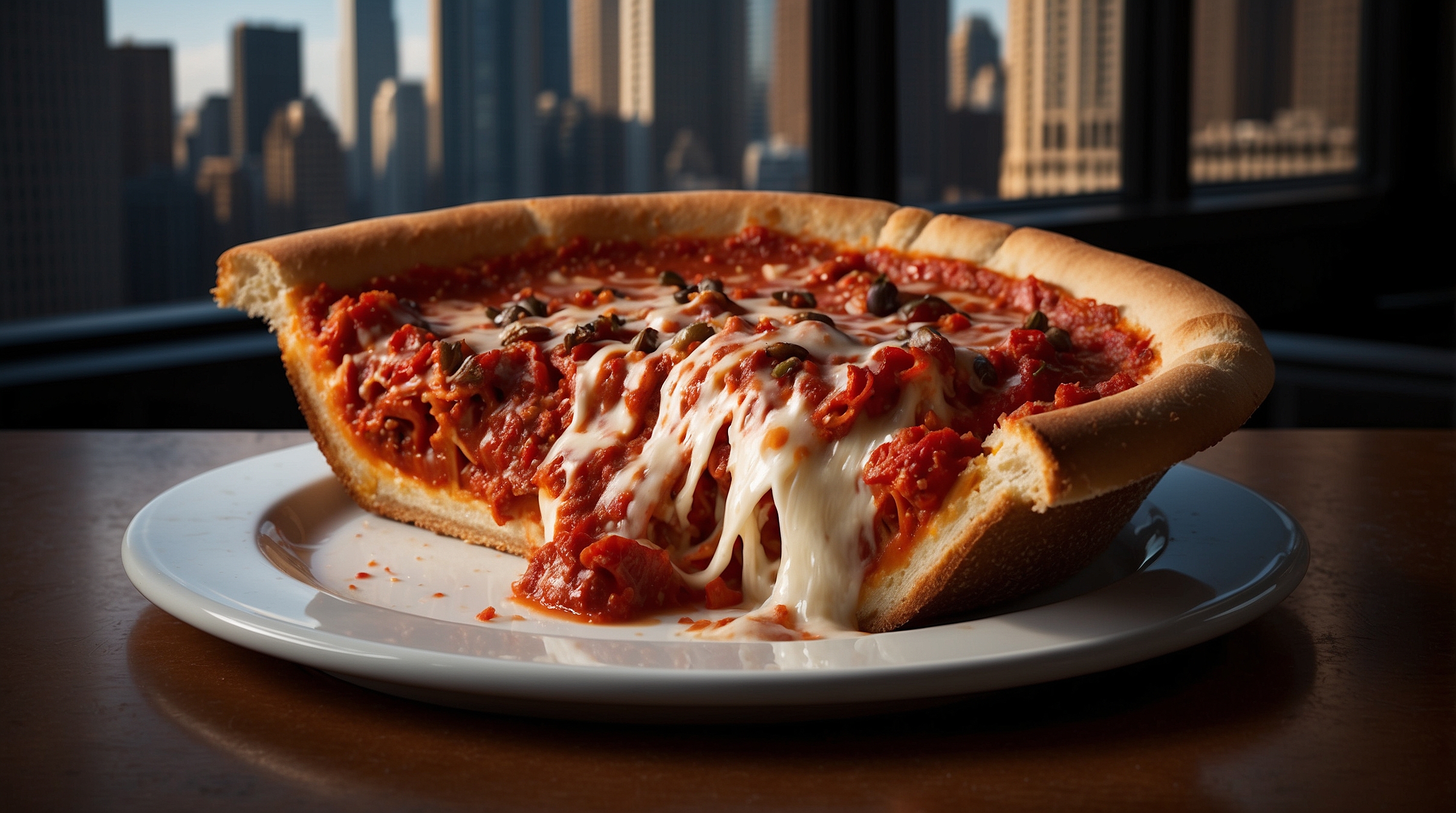
Chicago has two iconic foods that inspire genuine local pride. Deep dish pizza — thick, buttery crust filled with cheese, toppings, and chunky tomato sauce — takes 45 minutes to bake and is more of an event than a meal. Lou Malnati's, Giordano's, and Pequod's are all excellent. The Chicago-style hot dog (all-beef, yellow mustard, relish, onion, tomato, sport peppers, celery salt on a poppy seed bun — never ketchup) is a fast-food religion. Beyond these icons, Chicago's restaurant scene is genuinely world-class, with exceptional steakhouses, farm-to-table spots, and immigrant food communities in neighborhoods like Chinatown and Pilsen.
World-Class Museums
Chicago's Museum Campus on the lakefront clusters three major institutions within walking distance. The Field Museum houses one of the world's best natural history collections including Sue, the most complete T. rex skeleton ever found. The Shedd Aquarium is exceptional, particularly for families. The Adler Planetarium has impressive astronomy exhibits and lakefront views. A short distance north, the Art Institute of Chicago houses one of the finest art collections in North America — the Impressionist collection alone justifies the visit. All these museums offer free days or discounted evening hours.
Chicago Neighborhoods
Lincoln Park is one of Chicago's most beautiful neighborhoods — a tree-lined stretch of brownstones, restaurants, and the free Lincoln Park Zoo along the lakefront. Wicker Park and Bucktown are where Chicago's independent creative scene lives — record stores, vintage boutiques, and excellent cocktail bars. Pilsen is the city's Mexican-American cultural heart, with outstanding taquerias and murals covering virtually every wall. Hyde Park on the South Side houses the University of Chicago campus, the Obama Presidential Center (opening in 2025), and the Museum of Science and Industry.
Getting Around & Practical Tips
The Chicago 'L' train is fast, reliable, and covers virtually every tourist neighborhood. A single ride costs $2.50 with a Ventra card. The Red Line runs 24 hours and is particularly useful. Walking is excellent in the downtown area and along the lakefront. Weather in Chicago changes rapidly — even in summer, an evening on the lakefront can require a jacket. The city is largely safe in tourist areas, though standard urban precautions apply on the 'L' at night.
Top Things to Do in Chicago: Best Things to Do & See
🎟️ Top-Rated Tours in Chicago: Best Things to Do & See
Powered by Viator · Free cancellation · Skip-the-line


Where to Stay in Chicago: Best Things to Do & See
Plan Your Chicago: Best Things to Do & See Trip
Frequently Asked Questions
What is Chicago most famous for?
Chicago is world-famous for its stunning architectural skyline, deep-dish pizza, Chicago-style hot dogs, the Chicago Blues music scene, world-class museums including the Art Institute, and the iconic Cloud Gate sculpture (The Bean) in Millennium Park.
What is the best time to visit Chicago?
Late spring through early fall (May–October) is the best time to visit. Summer brings festivals, outdoor concerts, and Lake Michigan beach life. Fall has beautiful foliage and comfortable temperatures. Winter is genuinely brutal — the city earns its Windy City nickname — but Christmas markets and deep-dish pizza make it bearable.
What is the best neighborhood to stay in Chicago?
The Loop or River North are centrally located and close to major attractions. Lincoln Park and Wicker Park are more residential and local-feeling. Magnificent Mile in the Streeterville area is convenient for shopping and the lakefront. All of these neighborhoods are safe for tourists.
How do I get around Chicago?
Chicago's 'L' elevated train system is excellent and covers most tourist areas. The Red Line is particularly useful, running from the North Side through downtown to the South Side. The Chicago Card or Ventra app handles all transit payments. Most neighborhoods near the lake are very walkable.